
Study reveals teens make up most cannabis-related poisonings at BC Children's Hospital

BCIRPU researchers recently published a study comparing emergency department visits to BC Children’s Hospital before and after cannabis was legalized in Canada. They found that in both cases, the majority of cannabis-related visits to the emergency department were from intentional use among youth 14 to 16 years-old. In other words, youth knew they were using cannabis, but used too much.
From January 2016 to December 2018—the three-year period before legalization—the number of emergency department visits for cannabis poisoning increased each year among all children and youth, with a total of 119 cases during this time period. In the three-month period immediately after legalization, there was an immediate further increase in cases. The number of visits then decreased each year from January 2019 to December 2021—the three-year period after legalization—but the total number of cases was higher than pre-legalization at 185 cases.
The reason for the increase immediately following legalization is unknown. It could be due to population changes, or increased prevalence of cannabis products in the home after legalization. The observed decrease may be related to changes in healthcare-seeking behaviour during the COVID-19 pandemic, when individuals were less likely to visit the hospital for milder poisoning cases due to social distancing.
"Our study found that despite being below the legal age limit for cannabis use, teens are still smoking and ingesting cannabis products. We want to remind parents to have converations with their teenagers about refraining from using cannabis, and if the teens choose to do so, to use it safely." —Dr. Shelina Babul
Over half of cannabis poisoning cases among youth occurred while the individual was among their peers. Nearly all youth were treated or observed in the emergency department and discharged. A small number required further monitoring in hospital before being sent home; there were no deaths related to cannabis poisoning.
Among youth, the median (middle) age for poisoning was 15-years-old. In British Columbia, the legal age of cannabis use is 19-years-old. After legalization, male youth were more likely to just use cannabis, whereas female youth were more likely to co-consume cannabis with other substances, such as alcohol, illicit drugs, or medications. Inhalation was the most common form of cannabis consumption among youth.
Symptoms of cannabis poisoning include vomiting, confusion, dizziness, slurred speech, slowed breathing, and unresponsiveness. Rare and serious cases can result in a coma and seizures.
Young children are also vulnerable to cannabis poisoning, due to their fast metabolism and lower body weight. Although the total number of poisonings among young children was relatively low, there was an increase in cases, from 5 cases in the period before legalization, to 22 cases after legalization. The majority of these poisonings were from the ingestion of cannabis edibles, suggesting the greater availability of these products at home after legalization of edibles in 2019.
The study authors have the following tips for parents and caregivers:
- Have a conversation with your teens about cannabis use, health risks, symptoms of cannabis poisonings, and harm reduction behaviours.
- Recognize the signs of cannabis poisoning so you can intervene as a bystander, if it’s safe to do so.
- If you suspect symptoms of cannabis poisoning, call the BC Drug and Poison Information Centre at 1-800-567-8911. If someone is having difficulty breathing, call 9-1-1.
- Reaction times are slowed when under the influence of cannabis. Remind your teen that they should not be driving, cycling, or using any mobile form of transportation after consuming cannabis.
- As young children often cannot tell the difference between cannabis and non-cannabis products, store cannabis products high up, out of reach, and preferably in a locked container or drawer.
The study was published in the April edition of the journal Health Promotion and Chronic Disease Prevention in Canada. The study used data from the BC Children’s Hospital Canadian Hospitals Injury Reporting and Prevention Program (CHIRPP), a national injury and poisoning surveillance system that collects and analyzes data on injuries. CHIRPP is a program of the Public Health Agency of Canada. This is a companion study to one done in 2020 looking at pre-legalization data.
Link to read the study online.
Learn more about the study and safety reminders with this printable infographic poster (PDF).
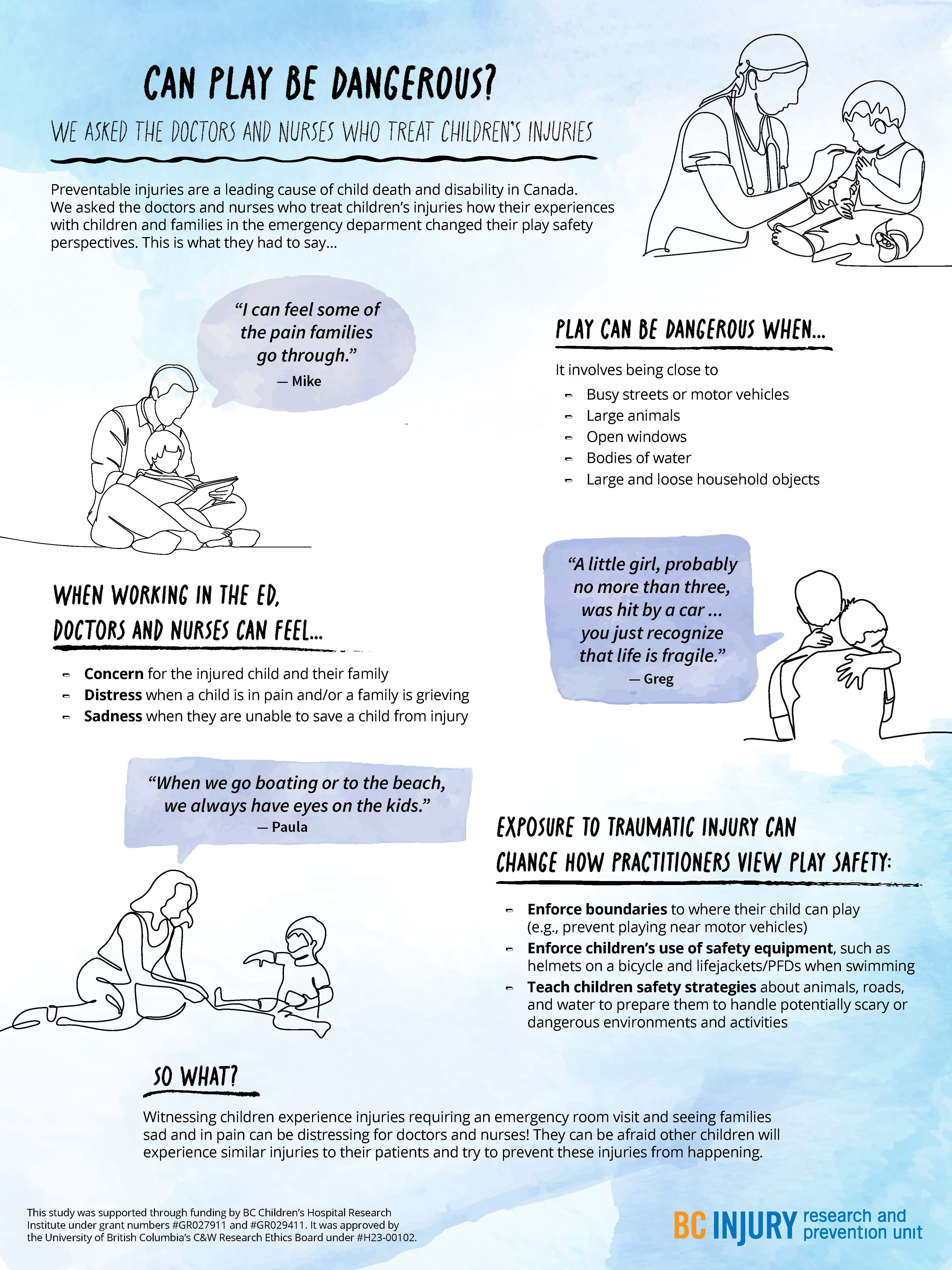
- distress when a child was in pain and when a family was grieving; and
- sadness in the event they were not able to save a child in their care.
- concern for the injured child and the child’s family;
Particularly traumatic events, such as those involving vivid sights and sounds (e.g., families holding each other and having extreme reactions), stuck with the practitioners, having long-lasting impressions on them and causing them to re-live these events in the years following their exposure.
Even after their shift was over, practitioners said that they changed how they approached parenting and how they perceived safety during play as a result of witnessing these traumatic events. They reported having more knowledge of the causes and consequences of severe injuries, such as those that require hospitalization or emergency care. For example, practitioners were more likely to enforce boundaries around where their children could play, such as by forbidding their child to play near busy streets. They also were more likely to tell their child about safe play environments and equipment, and put this equipment on their child before play, such as explaining the benefits of using helmets while riding bikes.
Practitioners were more likely to enforce boundaries around where their children could play, and use safety equipment, such as bike helmets.
Practitioners also described being concerned about their children’s play near open windows, around large bodies of water unsupervised, and in environments where firearms were present. They also expressed worry about their children’s play on trampolines and on motorized vehicles, such as ATVs. Findings related to trampoline play safety concerns were published in the journal Injury Prevention.
Observing family grief due to child injury or death affected the mental well-being of health care practitioners, drawing attention to the need for mental health supports for those involved in caring for severely injured and dying patients.

"Raise more resilient children through play...watch and see how your child handles challenging tasks without intervening right away." —Dr. Michelle Bauer
Building resilience through play
How can parents help their children build resilience? By letting them play!
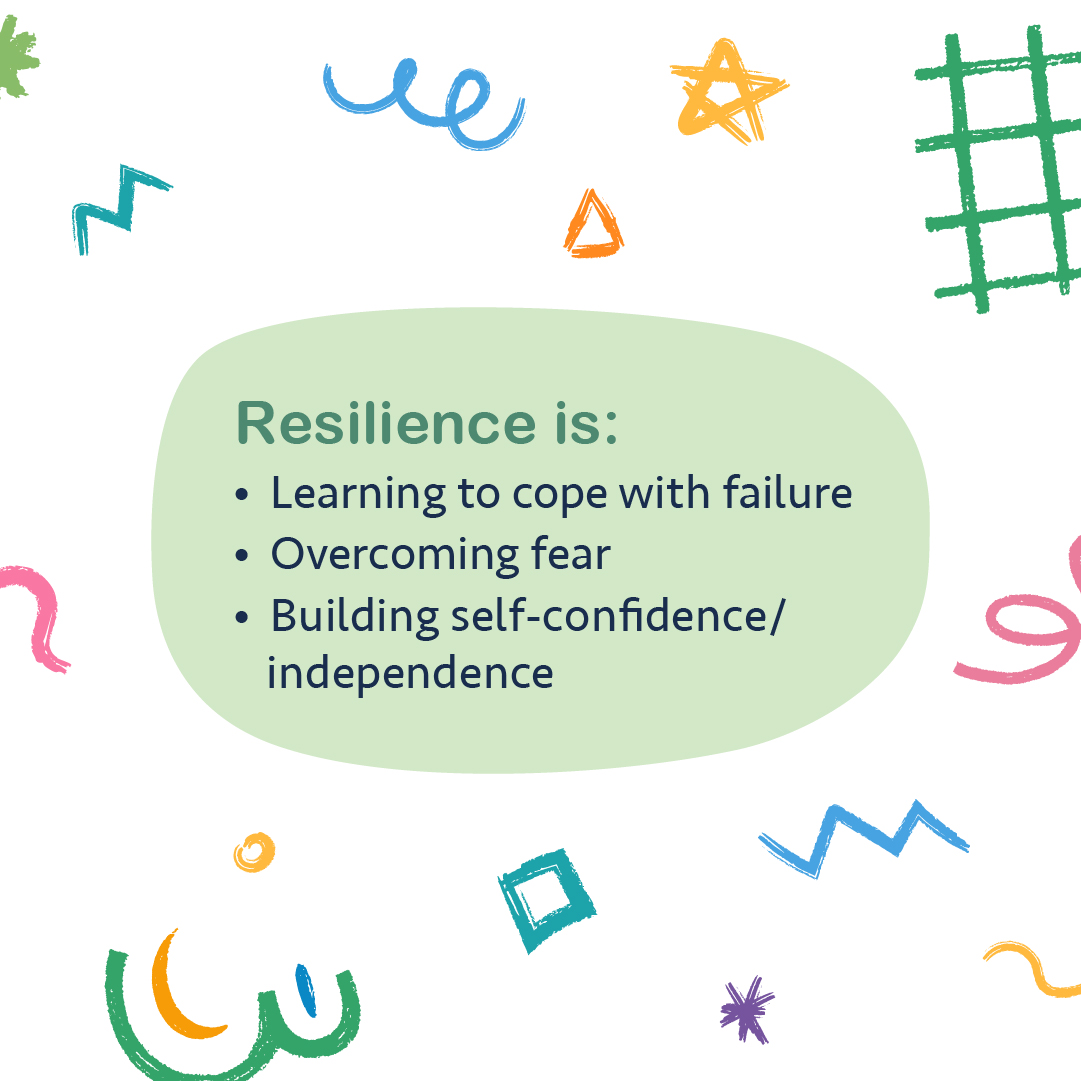
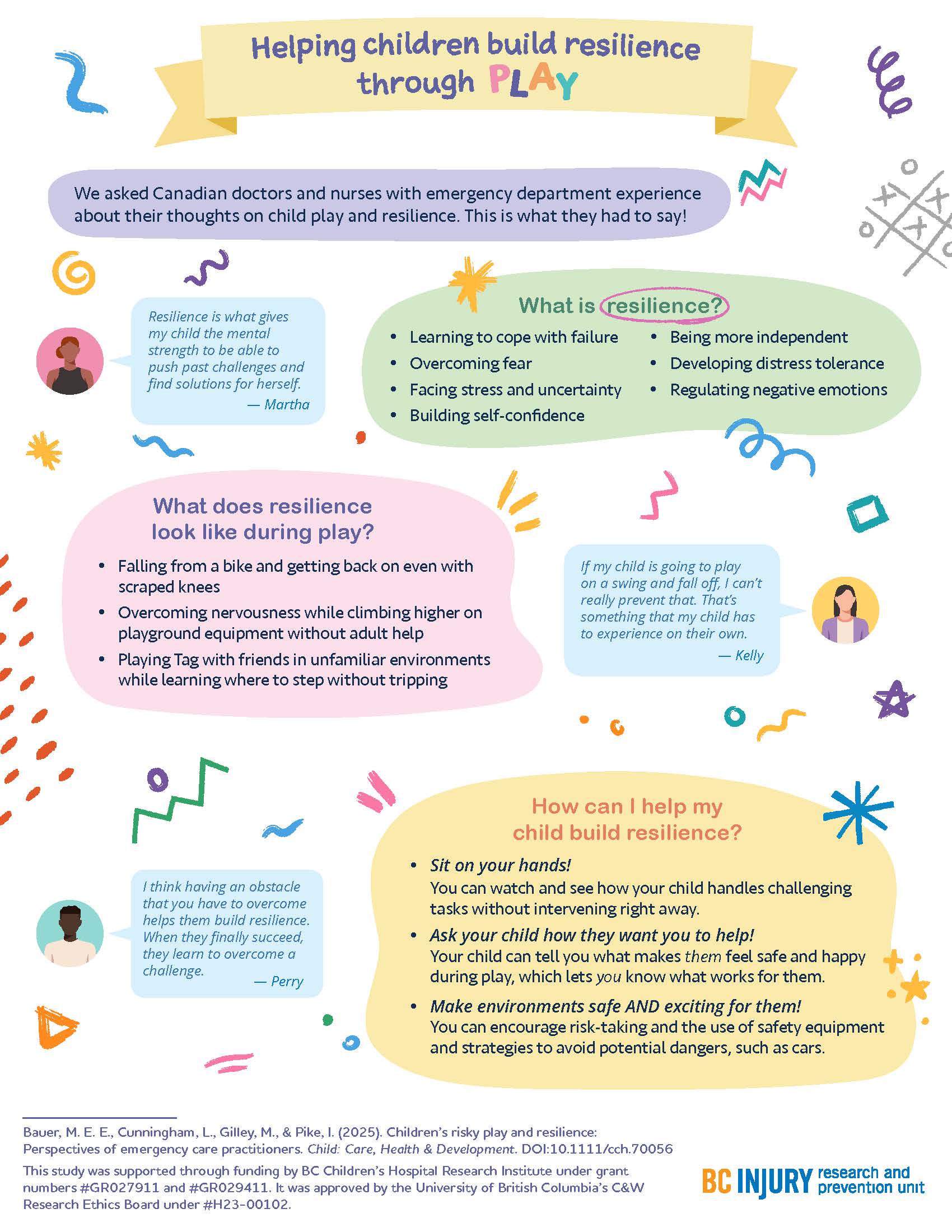
The experiences that practitioners witnessed encouraged them to support their children in building resilience through play; specifically, by supporting children in learning to cope with failure, overcome fear, build self-confidence, develop distress tolerance, and regulate negative emotions. Findings related to building resilience through play were published in the journal Child: Care, Health, and Development.
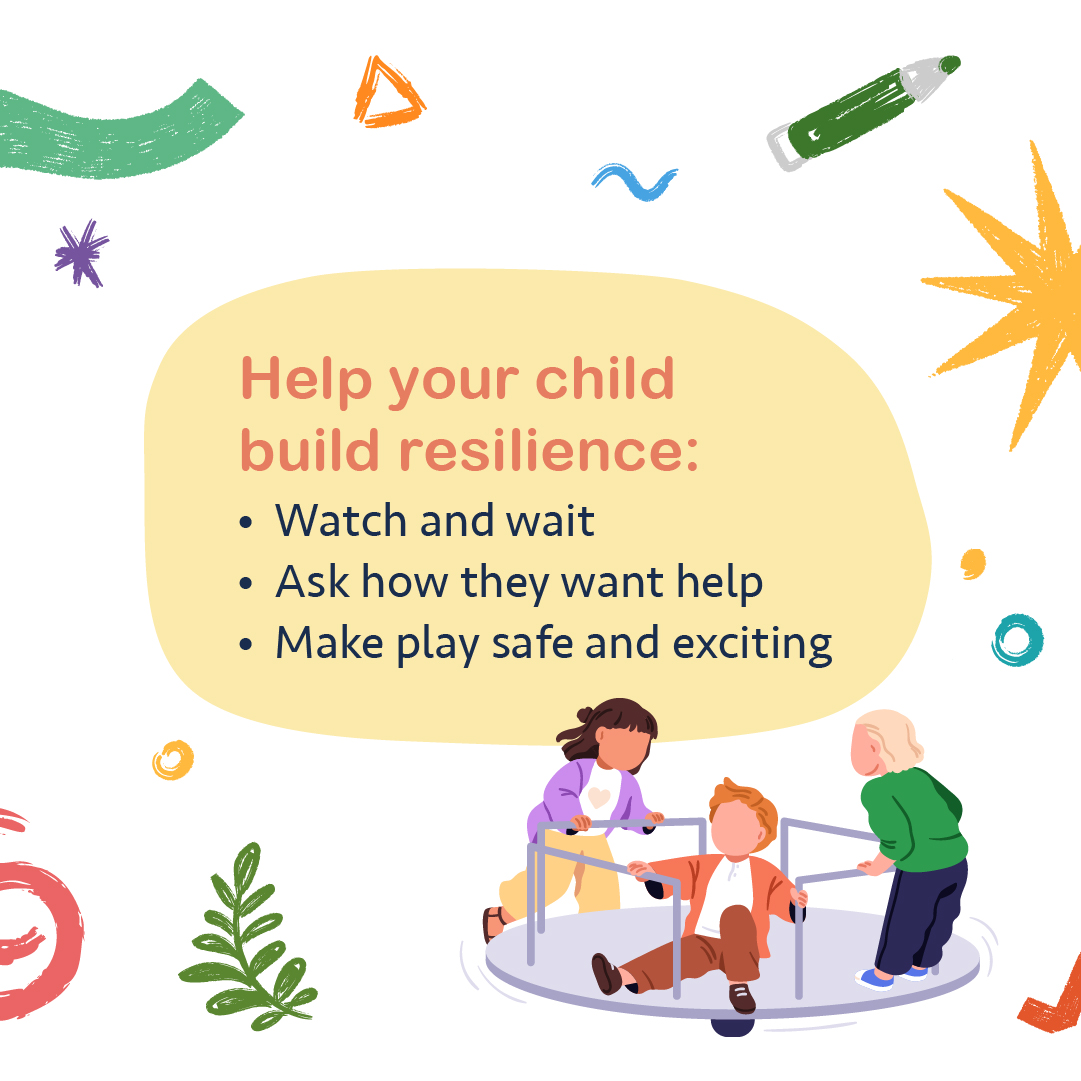
Parents fostered resilience in their kids by:
- helping their kids get back on bikes after they fell off and wanted to try again;
- sitting on their hands so they did not instinctively reach for their children when their children fell down; and
- encouraging participation in challenging and thrilling activities in forests and water while safety equipment was used.
"There are a few ways that parents can raise more resilient children through play that are supported by literature and our study findings," said Dr. Bauer. "One: watch and see how your child handles challenging tasks without intervening right away."
"Two: Ask your child how they want you to help—let them tell you what makes them feel safe and happy during play. Let them lead. And three: make play both safe and exciting by encouraging risk-taking, teaching them how to avoid hazards, and using safety equipment.”
This research was supported through Drs. Bauer’s and Gilley’s receipt of a clinical and translational research seed grant from the BC Children’s Hospital Research Institute (BCCHR), Dr. Bauer’s BCCHR postdoctoral fellowship award, and additional training provided to Dr. Bauer through her participation in the Programs and Institutions Looking to Launch Academic Researchers (PILLAR) program through ENRICH, a national organization training perinatal and child health researchers.
Learn more about the study through two infographic posters:
Graphics and posters by Milica Radosavljevic


