
Celebrating five years of supporting road safety projects
This year, almost $570,000 is being invested in more than 30 community-led projects, including 20 projects led by and benefiting Indigenous communities, helping improve safety for vulnerable road users throughout the province.
The recipients of this year's BC Vision Zero in Road Safety Grant Program (Vision Zero Grant Program), announced on April 29 by the Government of BC, are communities in BC that directly receive funding to help reduce vehicle speeds, prevent injuries, and make roads safer.
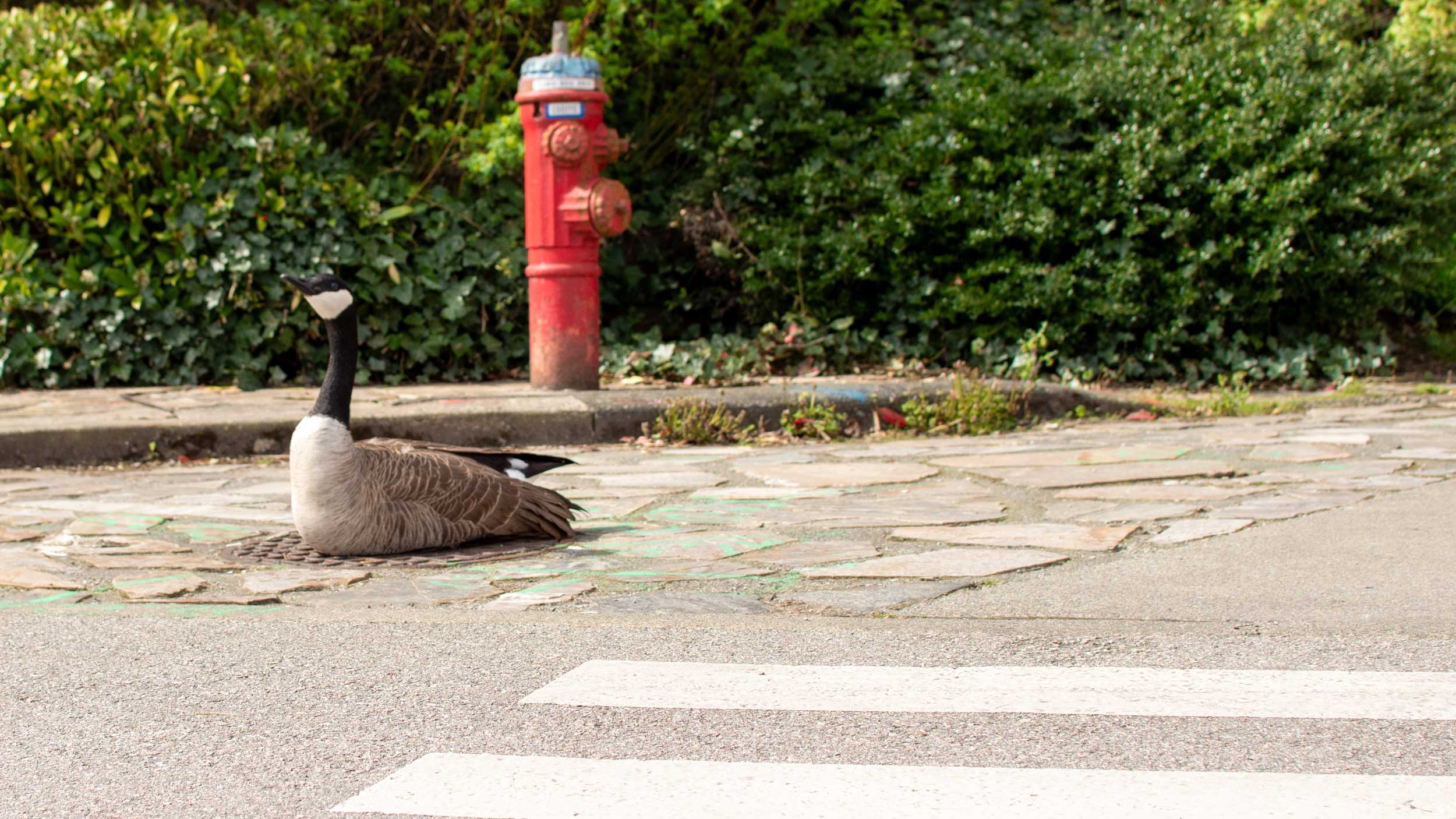
One of the projects funded is the installation of a crosswalk at Jubilee Road and Kelley Avenue, near Summerland Elementary School in BC's Interior region.
"Our board strongly supports initiatives that prioritize the safety of vulnerable road users, especially students travelling to and from school," said Mr. James Palanio, Board Chair of School District No. 67, Okanagan Skaha.
"This grant also reflects our strong partnership with the District of Summerland, whose shared commitment and support has been critical as we work together on this safety initiative. The Board of Education is thankful for this support and for the commitment to safer streets, safer speeds, and safer school communities.”
This is the fifth year of the Vision Zero Grant Program, a joint initiative between the provincial government, the regional health authorities, First Nations Health Authority, and the BCIRPU. BCIRPU is responsible for coordinating the Program in the province. The grants are provided by the Province through the Ministry of Health and the Ministry of Transportation and Transit.
“Congratulations to this year’s Vision Zero Grant Program recipients. These grants allow communities to identify and improve safety in neighbourhoods that need it, in a practical way," said Dr. Shelina Babul, Director of the BCIRPU. "The BC Injury Research and Prevention Unit is proud to have provided administrative support to this program for the past five years."
Since 2021, the program has funded almost 240 projects in more than 160 communities, including more than 60 Indigenous communities, with more than $3.8 million in grants.
For information on the list of communities receiving funding, view the project summaries (PDF).
To learn more about the Vision Zero Grant Program, visit visionzerobc.ca.
For a detailed list of funded projects, past and present, visit the Projects page.
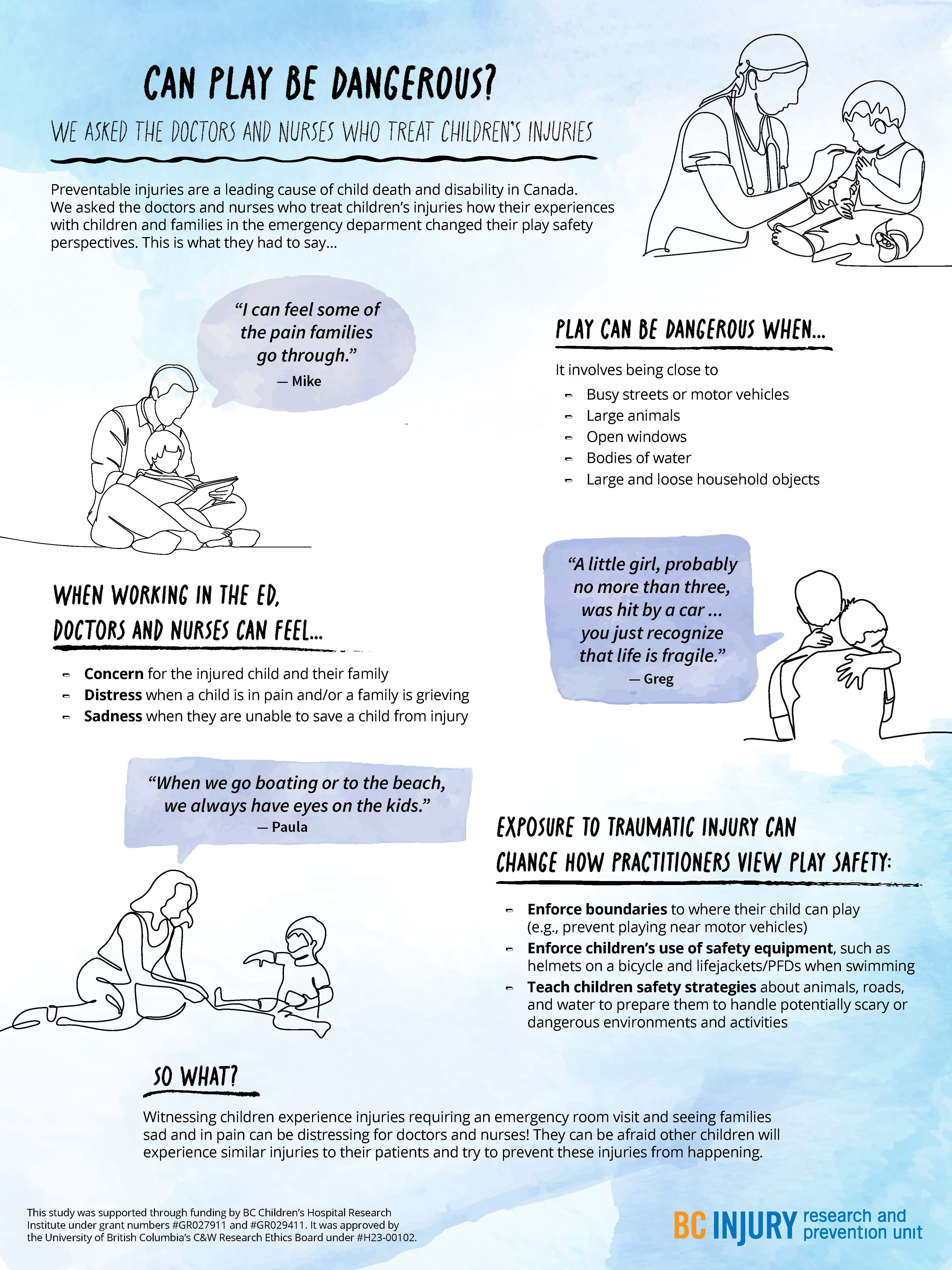
- distress when a child was in pain and when a family was grieving; and
- sadness in the event they were not able to save a child in their care.
- concern for the injured child and the child’s family;
Particularly traumatic events, such as those involving vivid sights and sounds (e.g., families holding each other and having extreme reactions), stuck with the practitioners, having long-lasting impressions on them and causing them to re-live these events in the years following their exposure.
Even after their shift was over, practitioners said that they changed how they approached parenting and how they perceived safety during play as a result of witnessing these traumatic events. They reported having more knowledge of the causes and consequences of severe injuries, such as those that require hospitalization or emergency care. For example, practitioners were more likely to enforce boundaries around where their children could play, such as by forbidding their child to play near busy streets. They also were more likely to tell their child about safe play environments and equipment, and put this equipment on their child before play, such as explaining the benefits of using helmets while riding bikes.
Practitioners were more likely to enforce boundaries around where their children could play, and use safety equipment, such as bike helmets.
Practitioners also described being concerned about their children’s play near open windows, around large bodies of water unsupervised, and in environments where firearms were present. They also expressed worry about their children’s play on trampolines and on motorized vehicles, such as ATVs. Findings related to trampoline play safety concerns were published in the journal Injury Prevention.
Observing family grief due to child injury or death affected the mental well-being of health care practitioners, drawing attention to the need for mental health supports for those involved in caring for severely injured and dying patients.
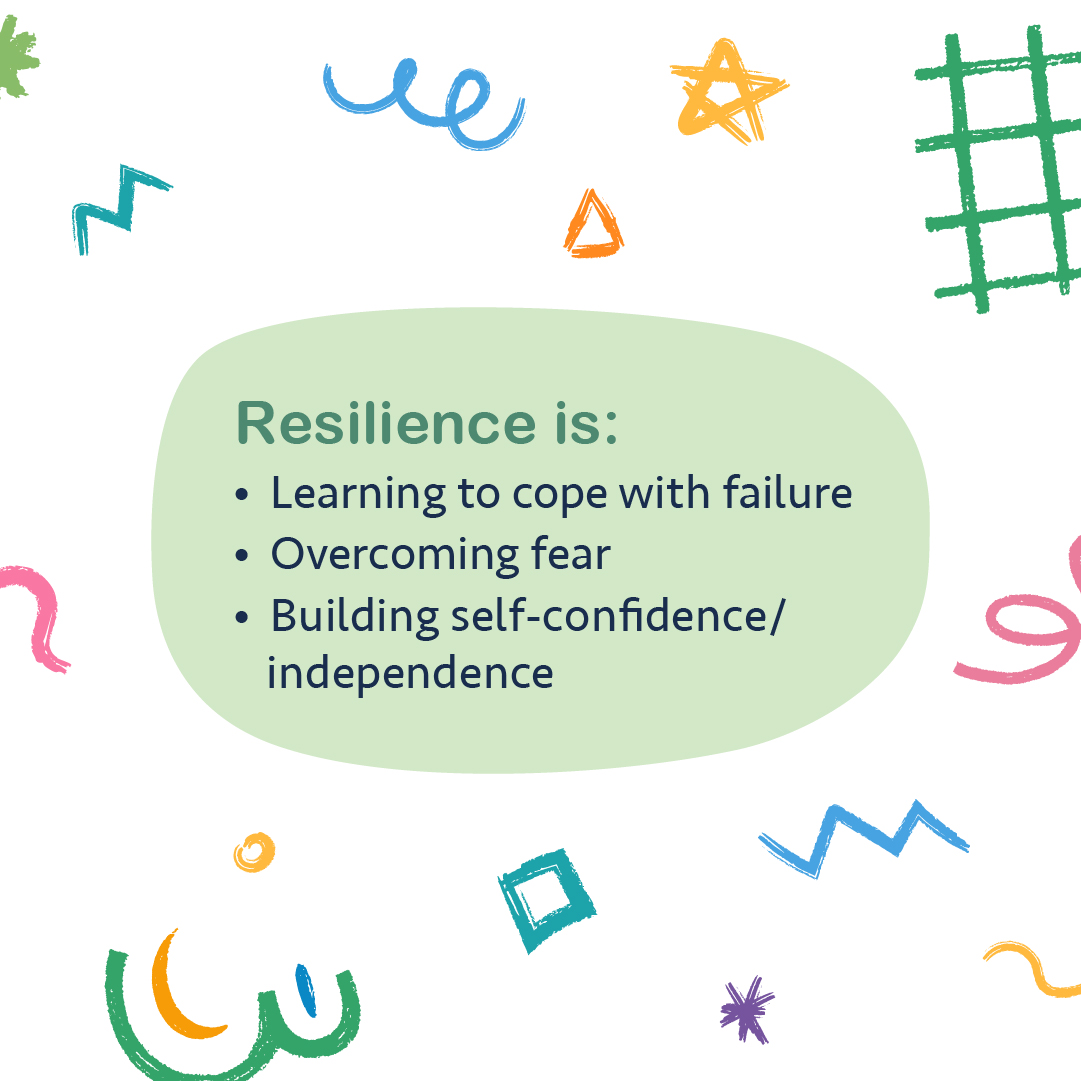

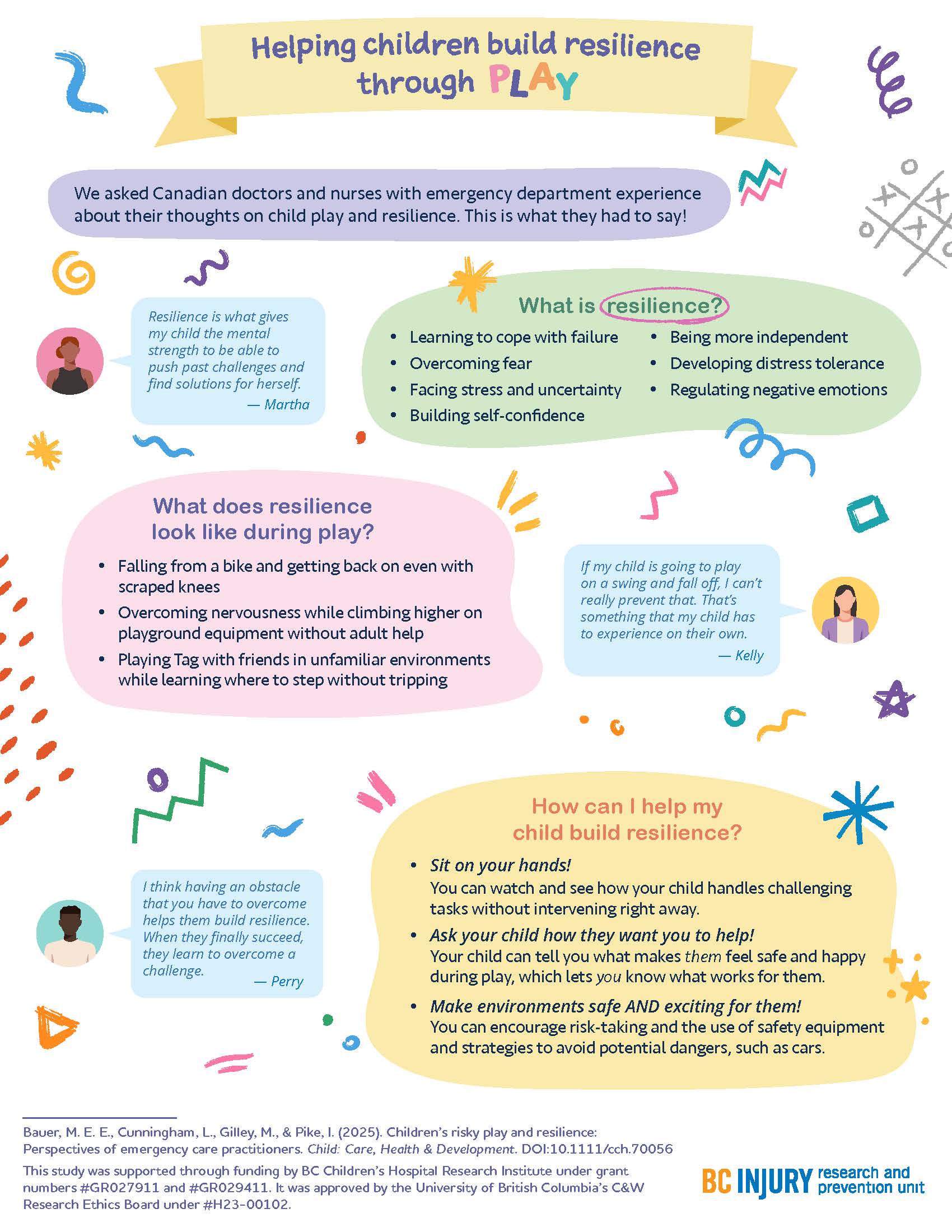
"Raise more resilient children through play...watch and see how your child handles challenging tasks without intervening right away." —Dr. Michelle Bauer
Building resilience through play
How can parents help their children build resilience? By letting them play!
The experiences that practitioners witnessed encouraged them to support their children in building resilience through play; specifically, by supporting children in learning to cope with failure, overcome fear, build self-confidence, develop distress tolerance, and regulate negative emotions. Findings related to building resilience through play were published in the journal Child: Care, Health, and Development.
Parents fostered resilience in their kids by:
- helping their kids get back on bikes after they fell off and wanted to try again;
- sitting on their hands so they did not instinctively reach for their children when their children fell down; and
- encouraging participation in challenging and thrilling activities in forests and water while safety equipment was used.
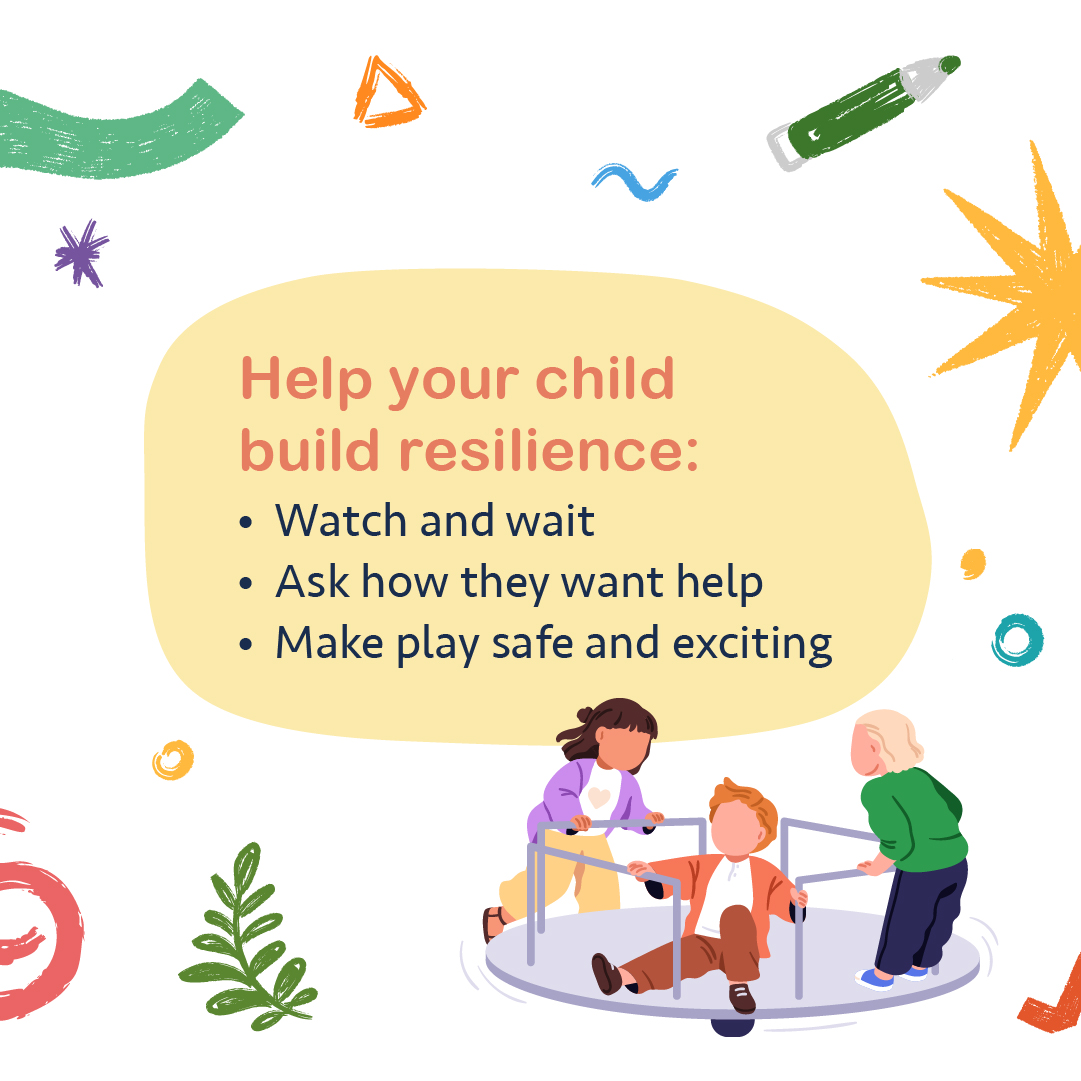
"There are a few ways that parents can raise more resilient children through play that are supported by literature and our study findings," said Dr. Bauer. "One: watch and see how your child handles challenging tasks without intervening right away."
"Two: Ask your child how they want you to help—let them tell you what makes them feel safe and happy during play. Let them lead. And three: make play both safe and exciting by encouraging risk-taking, teaching them how to avoid hazards, and using safety equipment.”
This research was supported through Drs. Bauer’s and Gilley’s receipt of a clinical and translational research seed grant from the BC Children’s Hospital Research Institute (BCCHR), Dr. Bauer’s BCCHR postdoctoral fellowship award, and additional training provided to Dr. Bauer through her participation in the Programs and Institutions Looking to Launch Academic Researchers (PILLAR) program through ENRICH, a national organization training perinatal and child health researchers.
Learn more about the study through two infographic posters:
Graphics and posters by Milica Radosavljevic


